

Table of Contents
Congratulations!
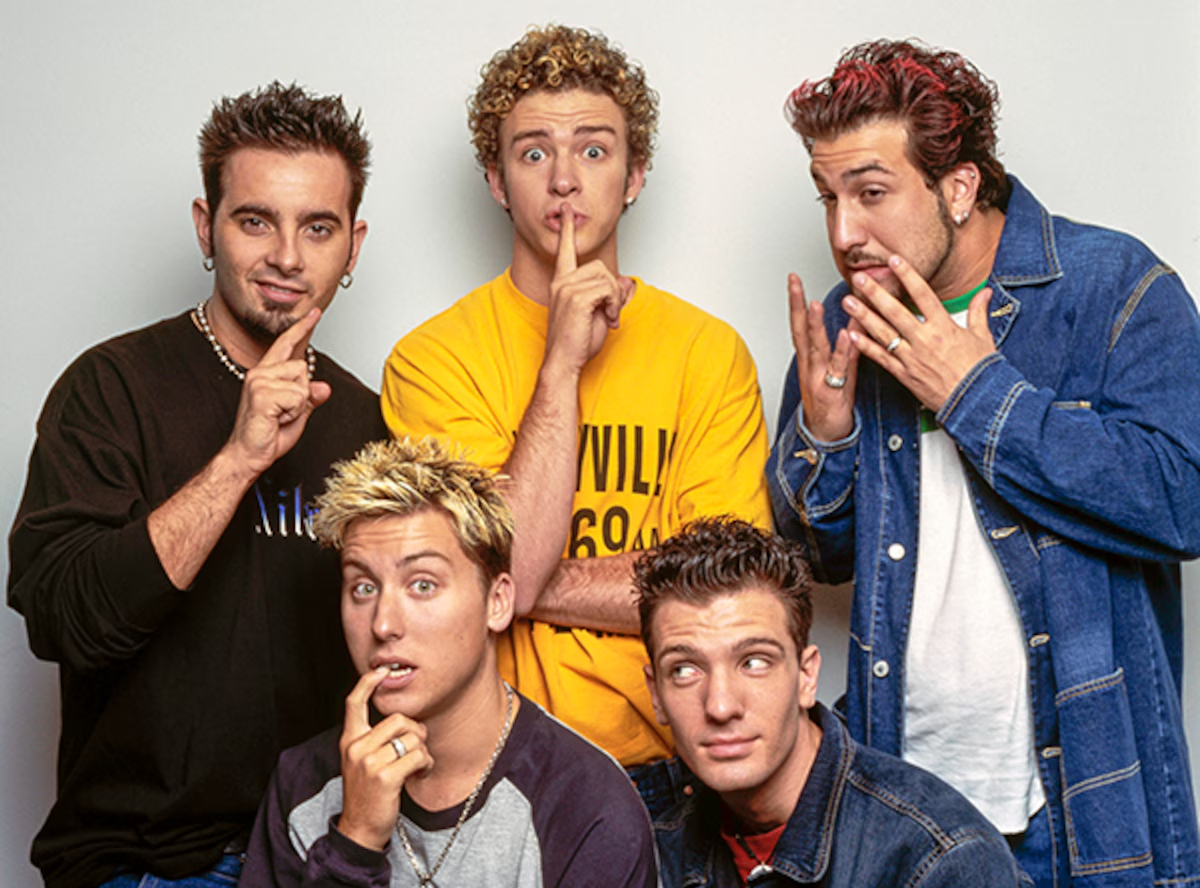
You’ve made the brilliant decision to support local, partner with Digital Tea, and start your website development project to build an online presence that doesn’t look like it was hand-coded on a dial-up connection back when frosted tips were still in style (no shade to late 90’s Justin Timberlake and the other 4 members of NSYNC). The ink on the contract is dry, the digital (or in-person) high-fives have been exchanged, and you’re feeling like a visionary titan of modern commerce.
Then, right around 2:00 PM on a Tuesday, a not-so-subtle wave of panic sets in, and a flood of questions about your website development project comes into your mind: Wait… when does this thing actually go live? Is it next Thursday or next month? Do I need to supply pictures? I think they asked for pictures… What in sweet Jethuzala is a vector file, and why does the graphic designer get a twitch in their eye when I send a JPEG pasted into a Microsoft Word document?

Take a deep breath and maybe a big slurp of something not caffeinated. Your time and task organization issues aside, we can help! Building a customized, high-performing website isn’t a microwave dinner; it’s an artisanal, multi-course culinary experience. To help you navigate the journey without getting overwhelmed, we’ll take a look at how a professional web development project timeline actually works, what happens during onboarding, and why structured planning and milestones will be your best friend.
The Discovery Meeting | Assembling the Brain Trust
Once the administrative paperwork is officially wrapped up, we don’t just press a big red button labelled “Generate Website” and head out for an early weekend. Although that would be pretty neat… Instead, we begin with the single most critical foundation of the entire website development project build: The Discovery Meeting.
This isn’t a superficial, casual catch-up session. It’s a meeting where we bring together the Digital Tea dream team needed to knock your project out of the park. Our designers who obsess over pixel precision, our developers who breathe custom code, and our digital marketing specialists who live for conversion rates and SEO metadata. We seat them around the table (virtual or real depending on your project and team needs) alongside your key project stakeholders to dig into the heart of your brand. If we don’t know one another already, we’ll know each other by the end of the meeting.
As part of our estimation process, we’ve gotten to know your current site (if you have one), pinch points, required functionality, and your bright ideas for your new website development project. During the Discovery Meeting, we get into all of the details about your organization and what it is that will make your project unique:
- Look and Feel: Is your brand aesthetic sleek and corporate, bold and disruptive, or warm and neighbourhood-friendly?
- Project Scope Details: We know the basic functionality required, but HOW is the website going to do what it needs to do? And what will it look like doing it? What plugins are needed? Do we need to engineer custom plugins or functions? Is there a specialized interactive portal involved or should it be something simpler?
- Brand Nuances: What makes your organization truly unique, who is your ideal target audience, and how do we outmaneuver your digital competitors?
This stage is fundamental to setting your project off on the right footing. By getting everyone aligned on your organizational goals, audience needs, user pathways, and technical requirements from the start, we ensure that every single line of code, your website content, and your visual assets serve a distinct, measurable strategy.

The Great Cat Herding: Assets, Logos, and Content
Now comes the part of the project where we talk about “getting your ducks in a row.” Or maybe cats… Or maybe cats and ducks.
We’ve had clients ask us, “If I send you my logo and three paragraphs of text today, can we launch by Friday?” The short answer is absolutely not. The slightly longer, cheekier answer is only if you want your website to look like a ransom note written in Comic Sans. High-calibre web design relies heavily on high-calibre assets. We rely on you and your team to provide most of those assets, because who knows your organization better than you?
During the onboarding phase, we work closely with your team to identify and gather the essential ingredients needed for a stellar build:
- High-Resolution Branding: Vector logos (EPS or SVG formats), brand typography rules, and official colour palettes (HEX codes, not just “a nice shade of sky blue”). If you have official brand guidelines, prior to the Discovery Meeting is the time to show and share.
- Visual Assets: Professional photography (or carefully curated stock photography), custom graphics, or video reels. If you have a YouTube Channel for your organization with brand videos, that’s fantastic! A pixelated smartphone photo taken at a trade show in 2014 isn’t going to build trust with high-value clients. It will also give our designers an eye twitch.
- Copywriting & Message Hierarchy: Clear, engaging text that speaks directly to human visitors while keeping search engine algorithms grinning. Telling your story is what your new website development project will do as a whole, and the text that speaks to your brand and who you are as an organization is an essential component.
To keep you from feeling like you’ve been assigned an overwhelming last-minute homework assignment that will take you deep into the night, Digital Tea’s onboarding process establishes a crystal-clear roadmap. And this roadmap looks different for every client. We identify what assets are needed first, what items are coming down the pipe later, and when each item is due. That means no last-minute midnight panics, no guessing games, and zero unpleasant surprises along the way (unless that pesky organization-time-management issue rears its ugly head again).

The Timeline Reality Check: Why 6 to 26 Weeks is Actually Great News
So, how long does the magic actually take?
If you’ve ever talked to a rogue freelancer who promised a fully custom enterprise website development project in 48 hours, you were likely sold a pre-made template filled with broken links and security vulnerabilities. Real, tailored web development takes time to engineer properly, and if the selling point for a company is that they can do it fast, that’s not necessarily what you want.
A realistic, industry-standard timeline can vary greatly from one project to another, and depends on things like the scope of the project, your level of organization, and what assets you may already have in place. On average, timelines fall between 3 ranges:
- 6 to 8 Weeks: Ideal for smaller-scope websites, new businesses, streamlined business sites, or targeted promotional platforms where content is ready and technical requirements are hyper-focused. Think websites that are about 1-6 page in size.
- 9 to 16 Weeks: Medium-sized projects, established businesses that may require more time to review the site at various stages of construction, organizations that need more time to compile assets, technical requirements may be refined as the project gets started. Think websites that are about 6-25 pages in size.
- 16 to 26+ Weeks: Standard for large-scale enterprise website development projects, complex custom web applications, multi-category e-commerce sites, or multi-departmental organizations requiring custom API integrations and complex user workflows. Think websites for large non-profit organizations, municipality website rebuilds, and complex business sites with e-commerce functionality. These sites can be more than 150 pages and have highly intricate navigation systems, with different pages available for the general public, members, staff, etc.
Why the range?
Because between the initial discovery session and final launch day lies a rigorous schedule of tasks that strongly depends on a number of factors. In their blog, the team at Elementor cites those factors as being “a clear set of variables: scope, content, technology, and team.” The tasks that go along with building the site include wireframing, CMS spool-up, UX/UI design, front-end development (what your site will look like), back-end development (how your site will do what it needs to do), accessibility testing, cross-browser quality assurance, and comprehensive SEO redirect mapping for new projects that are replacing an existing site. And throughout the process, we’ll send your project to you at key stages for review, revisions as needed, and approval.
When you rush website development, you rarely save time. You simply postpone the technical headaches until launch day (or after, which is worse because then the site is live and your users are frustrated by the corners you’ve cut). Taking the time upfront (or ideally ahead of time) to build the site properly, curate your visual assets, and generate content that speaks to who you are as a company will go a long way in helping us create a stable, lightning-fast, and hyper-scalable digital platform that serves your business for years.

Upfront Strategy → Rainbows and Lollipops
When you pair thorough planning with clear communication and expert engineering, something remarkable happens. The stress you would potentially be feeling as part of a website development project simply evaporates. The development process transforms from a chaotic scramble into a smooth, predictable, and genuinely exciting journey, with regular touchpoints, project reviews, and access to our team of experts as you need us.
Once all content and functionality requirements and timeline milestones are locked in, you get to sit back and watch your vision transform into a polished digital reality. From that point forward, it’s smooth sailing, rainbows, lollipops, and, of course, exceptional craftsmanship and outstanding customer service delivered by the team at Digital Tea.
Ready to Build Something Extraordinary?
Building a top-tier website doesn’t have to feel overwhelming, and in our opinion, it shouldn’t. With a dedicated local team, a structured onboarding plan, and clear timeline expectations, you can create a digital home that genuinely elevates your organization and drives your goals forward.
Have questions or ready to launch your next digital venture?